
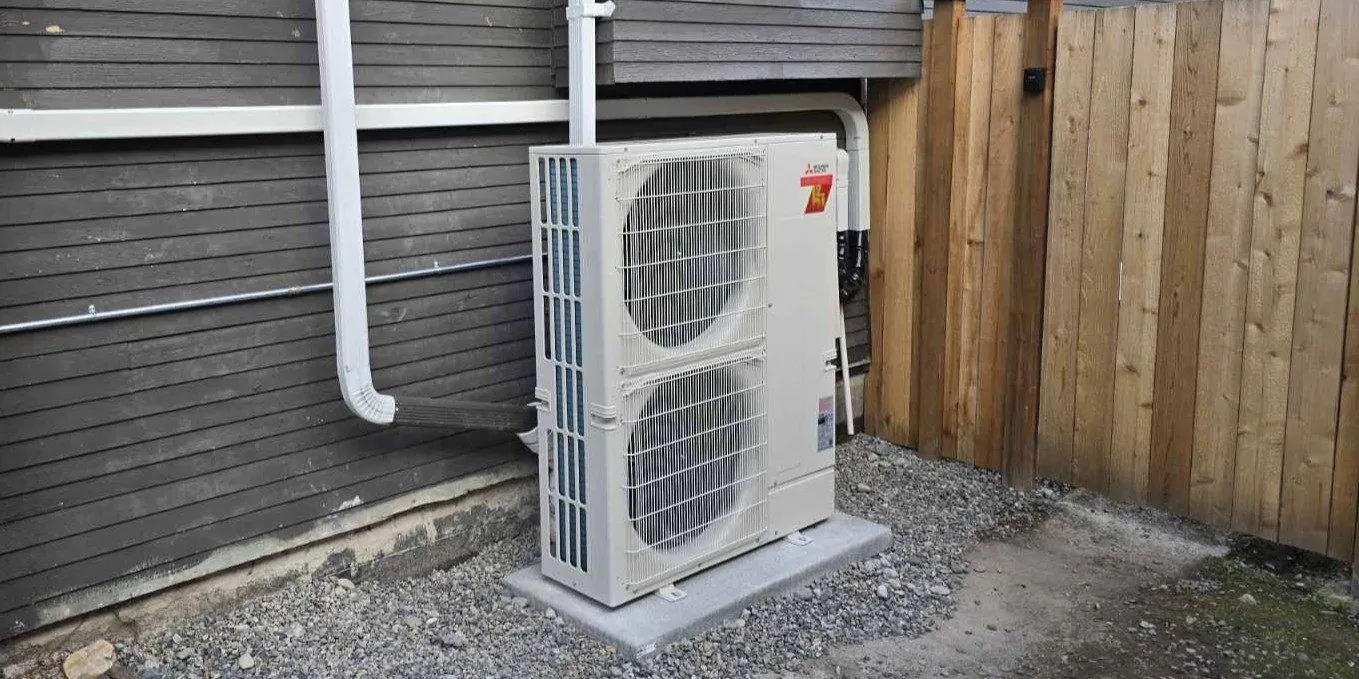
Heat pump cycling: your system initially turns on, runs for just a few minutes and then shuts down before it actually finishes a normal heating cycle. Instead of warming up your home at the right temperature, the heat pump keeps restarting over and over. This usually happens because of failing parts, like refrigerant leaks or bad sensors, or because air can’t move through your ducts properly. It’s like driving in heavy, stop-and-go I-5 traffic. Brutal. Soul crushing. Bad for your car. Worse for your mind.
The heat pump’s constant loop is more than an annoying sound while you try to drink your morning coffee. It’s your system telling you that something is wrong.
Around the Tacoma and Seattle areas, the damp winter weather makes heat pump cycling feel even worse. Your heat pump ends up working twice as hard but gives you half the comfort. Let’s take a look at what causes this headache and how to fix it before your heating bill gets too high.
Airflow problems cause more heat pump cycling calls in Puget Sound homes than almost anything else. Heat pumps don’t make heat out of nothing, they move heat by moving air. If you starve the heat pump of airflow, heat builds up inside the unit quickly.
When heat can’t escape into your rooms, the temperature inside the unit spikes. The high-pressure limits in the system then step in to prevent a breakdown and they cut the power to protect the compressor.
Here are some common airflow problems we see in local homes:
When air can’t move freely through your house, you get pressure in your ductwork. That extra pressure is like holding your hand over a vacuum hose. It makes the blower motor work too hard until a safety switch shuts everything down.
If your air filter is fresh and your vents are wide open, the problem likely sits inside the mechanical components of your indoor or outdoor units.
Thermostats poorly installed right next to supply vents, direct sunlight, or heat-generating appliances get false readings. They think the house reached temperature in three minutes when the rest of the home is still freezing. Loose terminal wires or failing internal sensors will also cause the thermostat to drop signal unexpectedly.
Refrigerant is the lifeblood of your heat pump, it absorbs heat from outside and then carries it inside. When a line develops a pinhole leak, refrigerant pressure drops below normal operating thresholds.
The low-pressure switch trips, shutting down the compressor to save it from burning out.
If an HVAC installer put a 4-ton unit in a home that only needs 2.5 tons, that system will blast the living room with hot air so fast that the thermostat satisfies instantly. The unit shuts off before it can circulate heat to distant bedrooms or pull humidity out of the air.
Short cycling does more than stress your compressor; it drains your bank account in two distinct ways.
At NW Energy, we recommend you to run through this simple troubleshooting list to see if there’s an easy DIY fix before calling an expert:
Air Filter
Supply Vents
Outdoor Unit Clearances
Thermostat Settings
Ductwork Restrictions
Refrigerant or Electrical
In the summer, a heat pump typically runs anywhere from 12 to 16 hours a day total during standard warm weather. On hot summer days (90°F+), it's completely normal for a variable-speed or modern heat pump to run almost continuously up to 20 to 24 hours a day.
Yes, a clogged air filter chokes off airflow. Without proper air movement, internal heat builds up rapidly inside your air handler, tripping safety pressure switches that force the system to turn off prematurely.
Yes, the compressor experiences the most physical wear and electrical stress during startup. Constant restarting overheats internal components, degrades refrigerant oil, and drastically shortens the overall lifespan of your heat pump.
Short cycling isn’t something you should wait until it gets better on its own. Every quick cycle wears down your compressor, strains your electrical components, and pushes expensive auxiliary heating strips to run when they shouldn't.
Whether your heat pump is struggling with high static pressure or poor airflow in your ductwork, a hidden refrigerant leak, or a miscalibrated thermostat, our local team at NW Energy Conservation is ready to help.
We bring practical, honest HVAC solutions to homeowners across Tacoma, Seattle, Puyallup, Olympia, Renton, and Gig Harbor.
Don't wait until a short cycling system leaves you in the cold with a massive utility bill.
Contact NW Energy Conservation today to schedule your private consultation or visit our main blog page, and keep your system running efficiently all year long.

.png)