
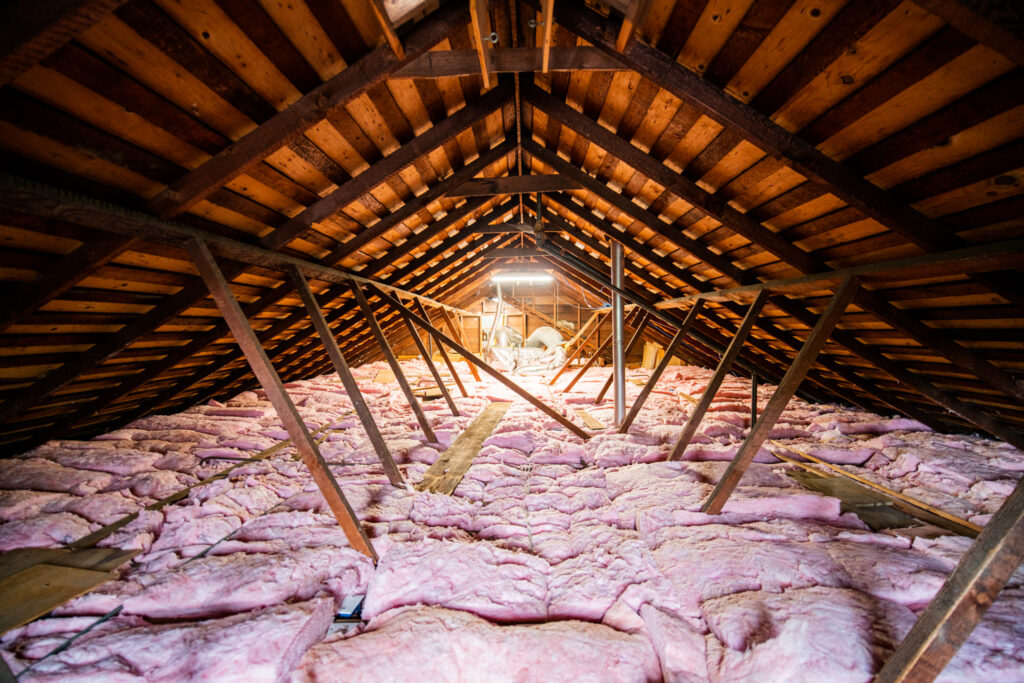
Let’s be honest: no one brags about their insulation. We brag about kitchens, decks, and maybe a new roof. But insulation? Not so much.
We know that a lot of crawl spaces can be scarier than a haunted house. So maybe you have no idea what condition your insulation is in down there? Sometimes, we find that the homeowner's insulation has come undone and is just hanging or completely detached. That’s when they realize that their high energy bills and cold floors weren’t the norm.
When insulation is out of sight, it’s usually out of mind. That can be a real problem, because poor insulation in your attic or crawl space will quietly drain your wallet every single month.
At NW Energy Conservation, we’ve seen all sorts of insulation problems: missing batts, moldy fiberglass, attics with barely two inches of coverage, and crawl spaces that might as well be wide open windows. Fixing these spaces doesn’t just cut bills. It makes homes safer, healthier, and far more comfortable.
Here’s why insulation matters, what makes Washington homes unique, and how insulation upgrades often pay for themselves.
Our climate in the Pacific Northwest isn’t very friendly for the majority of the year. Winters are damp and chilly. Summers can bring sudden heat waves. Spring and fall hover somewhere in between.
Without proper insulation, your home can’t manage these swings very well. Cold air seeps in, heat escapes, and moisture finds its way into framing and floors. The result is a cycle of discomfort and wasted energy.
The main problems fall into three buckets:
The U.S. Environmental Protection Agency found that insulation can cut heating and cooling bills by an average of 17 percent in our climate. This is higher than the national average of 15 percent, but even that is still hefty!
Crawl spaces sit beneath most of our homes, and they’re usually the weakest link. They may look harmless, but without insulation, they’re like giant vents pulling cold air into your house.
Here’s what we often find under homes:
When that happens, cold air flows freely. Floors feel like ice in winter. Furnaces run longer to keep up. Moisture collects on wood, creating the musty smell that no one can stand.
Some homeowners don’t even realize that the poor conditions in their home can be solved with good insulation. If the living room is still chilly no matter how high you set the heat, the crawl space may be holding the secret. After re-insulating and sealing these spaces, you’ll immediately notice the difference in your home and on the bill.
The fix works fast. New insulation with a vapor barrier warms the floors, cuts furnace cycles, and improves indoor air quality.
If crawl spaces leak cold air up, attics leak warm air out. Heat rises, and if there’s not enough insulation in the attic, it escapes quickly.
We’ve walked through homes with just a thin layer of old fiberglass, sometimes no more than three inches deep. In modern terms, that’s the same as nothing. It’s like wearing a T-shirt in a snowstorm.
Adding proper insulation changes the whole house. In winter, warmth stays put. In summer, heat from the roof no longer pours down into the living space. Homeowners often tell us upstairs bedrooms finally feel livable in July, when before they were stifling.
Better attic insulation also protects your HVAC system. When your home holds its temperature, the system doesn’t cycle as much. That means fewer repairs and a longer life.
As we mentioned before, the climate we live in makes insulation even more important than in the average American's home.
Here’s why:
We had a Gig Harbor homeowner who thought they had an HVAC problem. The truth was simpler: the attic insulation was soaked, heavy with years of moisture. Once we removed it, added vapor barriers, and re-insulated, the stale smell in their home disappeared.
This is why our jobs never involve insulation alone. We always pair upgrades with vapor barriers, sealing, and ventilation checks. Otherwise, the problem just returns.
Insulation doesn’t just make your home feel better, it actually pays you back!
Here’s how:
We’ve had customers save almost $50 a month after properly insulating their attics. There’s a simple truth here: good insulation saves money while improving comfort.
How do you know if your attic or crawl space needs attention? Well, you don’t need to inspect it alone, but we’ve got some tips for what to look out for anyway.
Common signs of poor insulation:
If you recognize even one of these, your insulation may not be doing its job.
We follow a clear process that works in every home:
Our process keeps homes dry, efficient, and comfortable. We don’t take any chances with mismanaged installation.
Fall is the best season. It prepares your home before the coldest months, and it lets us fix moisture issues before heavy rain sets in.
But the truth is, insulation helps anytime. If you’re already paying high bills or fighting drafts, there’s no reason to wait. The sooner you act, the sooner you save.
How much does an insulation install cost in the Tacoma area?
The pricing varies a lot depending on size, materials, and the current condition of your home and insulation. Reach out to us today for an accurate estimate or to schedule an inspection.
What type of insulation works best in Tacoma?
Fiberglass and cellulose are common. Spray foam fits in certain spaces. We choose based on access, moisture, and budget.
How long does insulation last?
Good insulation can last decades. In damp crawl spaces, it may fail in 10 years if you opt for a cheaper material without vapor barriers.
Do I need both attic and crawl space insulation?
Yes. Skipping one leaves gaps that cost money. Together, they form a complete barrier on the top and bottom of your home.
Can I install home insulation myself?
You can add small amounts in easy spots, but full projects need proper sealing, barriers, and moisture control. Without those, the problems will simply return.
Will insulation improve indoor air quality?
Yes. By blocking moisture and mold, insulation reduces allergens and odors!
Does insulation help in summer too?
Absolutely. It blocks roof heat and keeps upstairs rooms cooler and easier to regulate.
How long does an insulation installation take?
Most jobs finish in one to three days, depending on the size of the spaces and the old insulation removal needs.
Will insulation lower my carbon footprint?
Yes! Lower energy use reduces demand on power plants and cuts emissions.
Do older Tacoma homes need special care for proper insulation?
They do. Many were built with little to no insulation, and their crawl spaces often lack vapor barriers. We tailor custom solutions for every home.
We’re a small, family-owned team based in Puyallup, but we serve all around Olympia, Tacoma, Renton, and Gig Harbor. We understand the common problems in Northwest homes because we see them every day! Our focus isn’t on quick, cheap fixes. We believe in properly sealing, insulating, and ventilating homes around the Puget Sound as a long lasting solution.
Your cold floors, drafty rooms, and rising bills might be pointing to weak insulation. Don’t let another winter pass in discomfort and high energy costs. Reach out to our team today for an attic and crawl space inspection, or schedule a repair or installation if you’re ready to make a change.

.png)