
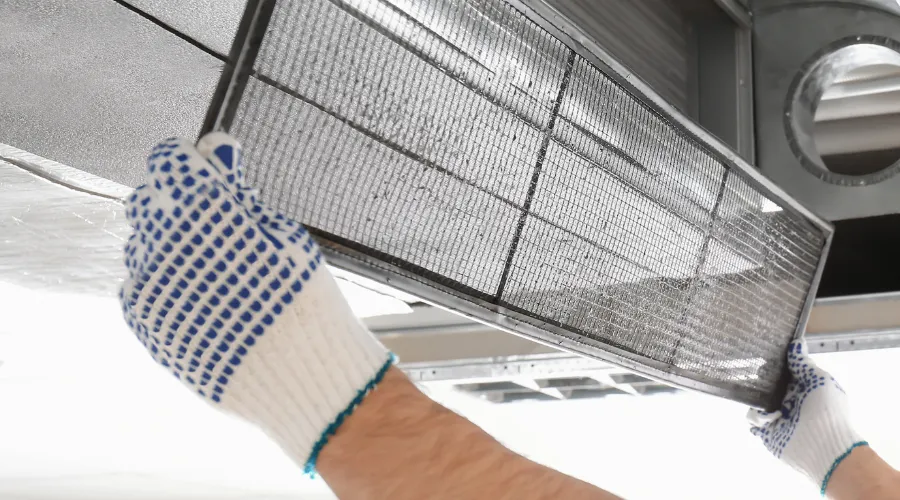
Homeowners across Tacoma and Seattle live this scene out every winter: you bump the temperature and pace around the house waiting for it to warm up, but nothing happens. You check the vents, question the furnace’s sanity, then sigh into a blanket like a low-budget survival film. The heat is “on,” yet your home seems to only get the message hours later.
Here’s the thing…. The furnace often isn’t to blame. Neither is the heat pump. Neither is the thermostat. Oftentimes, the real problem behind poor heating lies in the ductwork, the insulation clinging to those ducts, and the crawl spaces and attics that hold all of that cold air.
Heating systems create warmth. They do it reliably, predictably, and even impressively if we’re being honest. But creating warmth is only step one. The second step is delivering that warmth, and that depends entirely on whether your ducts protect the air as it travels.
If the ducts leak, or sag, or sit exposed in cold crawl spaces without proper insulation, the air loses its heat long before it reaches you. You end up heating your crawl space or your attic and nothing else. So the home stays cold even though the system is working its heart out. Think about it like pouring hot coffee through a frozen metal pipe; the coffee moves down the pipe, but it’ll be cold by the time it reaches the end.
Crawl spaces in Washington homes are cold enough in winter to bully warm air out of existence. The ducts running through these areas lose heat faster than most homeowners can even imagine. Even a tiny tear in duct insulation or a gap in a joint will become a substantial escape hatch for any warm air.
Here are the symptoms to look out for:
Go to the top of your home and you have the same issue. Attics in winter drop so low in temperature that any ducts lying across the rafters can have warm air enter at 110 degrees and exit at 85. All of that missing warmth and energy just leaks out above your ceiling.
This is where things get a bit more scientific. Heated air can’t flow into a room if the existing cold air can’t escape that room at the same pace. Return ducts exist to regulate the pressure and allow for air to flow in and out smoothly like a river. You might instinctively think that this would mean the loss of heated air, but that’s not the case.
When new, warm air tries to enter a room, it needs to be able to push the existing air out. If that air can’t escape, the whole process stalls and the flow slows down. It’s like trying to run in your dreams.
Time and again, homeowners call us convinced that their furnace is failing. They brace for the worst and prepare their wallets, assuming that the entire system needs a replacement.
After examining the ducts, insulation, crawl space and attic temperatures, and airflow pressures, we often find that there’s a more fixable solution available to you. Most days, the actual heating system works just fine. Strong, stable, steady, while the ducts are the ones letting you down.
Here’s what to watch out for:
These are often duct issues masquerading as whole system issues.
Here’s a recent review from one of our customers that shows their perspective of our work:
“The work was completed at a very professional level. Everything was done neatly: the indoor unit was installed evenly, the ductwork was well insulated, and the outdoor unit was mounted securely and looks very tidy. After the installation, everything was cleaned up, which was a pleasant surprise. The system runs quietly and efficiently, and it’s clear that the technicians know their job well. I definitely recommend this company to anyone looking for quality installation and responsible service.”
Tucked right in the middle, there it is, the phrase that quietly explains so much about why some homes feel warm and others lose their heat:
“…the ductwork was well insulated…”
That’s not a throwaway detail for us. That’s the difference between a home that warms you and a home that drains your patience and wallet. We take heating seriously and check every detail to ensure that your ducts are insulated correctly, that seams are sealed, and that airflow is moving smoothly.
We do all of our work the same way: neatly, cleanly, in alignment, and secure.
If your home feels cold even while the heat runs loud and proud, something behind the walls is likely undoing the system’s work. And it usually starts with ducts that lose heat before it reaches you. We’ll find every weak point in the heating pathway and bring your home the warmth it’s been waiting for. That’s our promise!
Reach out to our team today for quick service.

.png)