
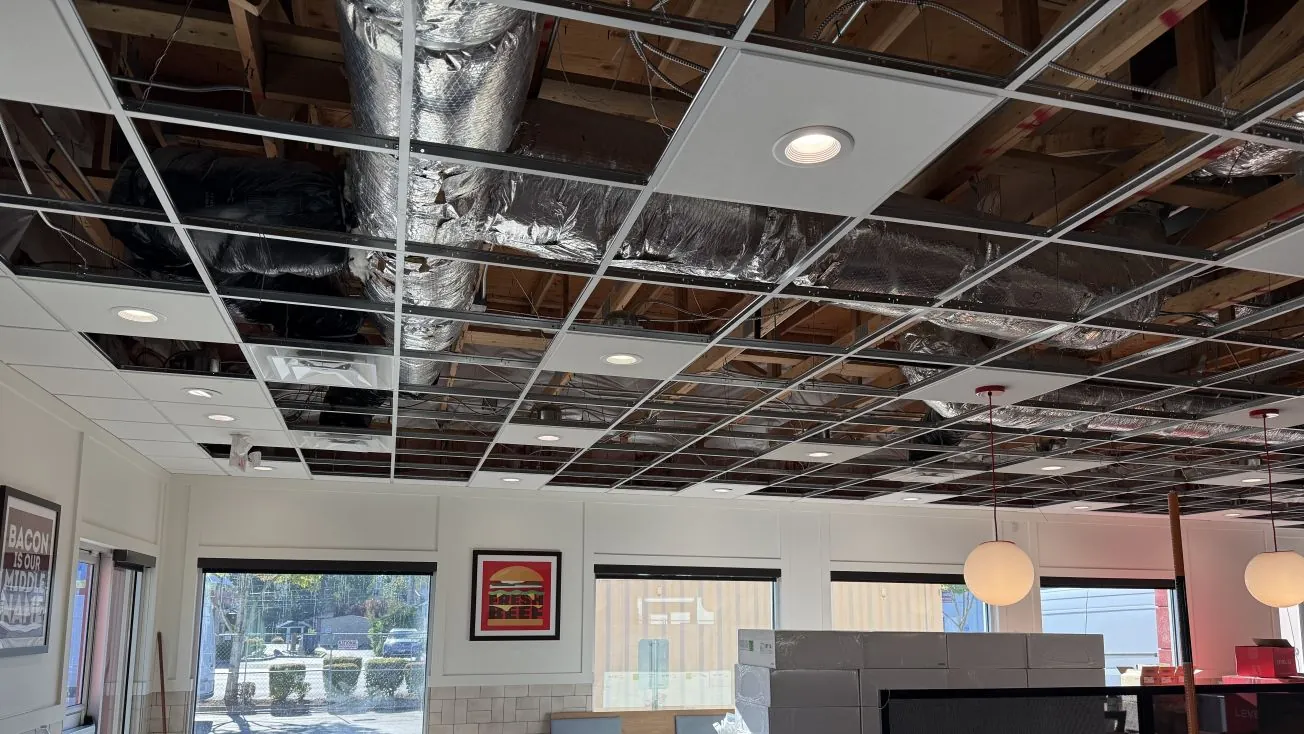
You can tell your air ducts are leaking if your heating and electric bills spike without explanation, rooms feel unevenly heated or cooled, and dust settles quickly after cleaning. Visible signs include gaps or peeling tape at duct joints, whistling noises near vents, and ductwork located in cold crawl spaces or attics blowing lukewarm air.
Picture this: it’s mid-autumn and a rainy day has you reaching for the thermometer to pump in that cozy warmth. Instead of your home warming up nicely and quickly, the furnace just keeps cranking while one bedroom feels like an icebox and your monthly energy bill looks like a misprint. So what gives? This is supposed to be the cozy and comfortable indoor season, but your HVAC is throwing a wrench in your pumpkin spice dreams.
You might think that your HVAC system is fine, but your air ducts could be leaking a huge part of the conditioned air right into your crawl space or attic. That’s money and comfort flying out of your pocket every single hour.
At NW Energy Conservation, we see this across Tacoma and Seattle homes all the time. We’re going to cover:
Here are the main indicators that your ductwork is losing energy:
If your ducts run through a crawl space or an attic, those tiny holes can act like little vacuums and suck up:
Your HVAC system then moves those contaminants straight into your bedrooms and kitchen, ruining any chance at clean indoor air quality. Fixing leaks stops your HVAC system from treating your crawl space air like your living room air.
When air leaks out of your ducts, your furnace loses its heating capacity, starts working twice as hard and uses way more energy:
If you have leaky ducts with poor insulation, your system stands zero chance of keeping up in winter. At NW Energy Conservation, we recommend you to make sure you check your home for crawl space and attic insulation issues alongside your ductwork.
You don’t need fancy gear to run a couple of basic checks yourself. Here are two simple ways to help you save your air duct system:
Grab a flash light and check exposed ducts under your floors or in the attic and look for:
Can you fix duct leaks yourself? Sometimes, yes. But you definitely need to use the right materials.
At NW Energy Conservation, we use specialized pressure testing to find leaks deep inside your walls, floors, and tight crawl spaces. We seal those gaps tight so your heat stays where it belongs: inside your living space.
We’ll check your home ductwork and airflow to give you an honest, straightforward solution and keep your home warm, clean, and energy-efficient year-round.
Want to know if your ducts are losing air? Contact us today to schedule a private consultation.
Stop dealing with cold rooms or crazy high electric bills every winter, we’re here to help you!
Common signs of leaking air ducts include unusually high energy bills, hot or cold rooms, weak airflow, excessive dust, unusual noises near ductwork, and visible gaps or disconnected duct sections. A professional duct leakage test can determine how much conditioned air the system is actually losing.
You can seal small, visible gaps on exposed metal ducts using HVAC foil tape or brush-on mastic. However, home duct systems have hidden sections inside walls, ceilings, and tight crawl spaces that usually require professional tools and pressure sealing.
Sealing and insulating leaky air ducts can cut your heating and cooling air loss by up to 20% to 30%. In the Puget Sound region, where heat pumps and furnaces run heavily throughout cold, damp months, this fix pays for itself.
We recommend checking your ductwork every 3 to 5 years, or whenever you see a sudden jump in your energy bills, extra dust or mixed temperatures across the house.
Standard cloth duct tape uses a rubber-based adhesive that breaks down quickly when exposed to temperature changes, humidity, and dust in crawl spaces and attics. Always use UL-listed foil tape or professional mastic sealant instead.

.png)